Every child uses the internet, but not every child knows how to stay safe online
Children start playing online games, chatting, using apps, and interacting with people they may not know at an age when they are still learning how to recognize risks and make safe decisions.
Our Online Safety Training Program helps children aged 8–17 develop practical skills to recognize online risks, protect personal information, make safer decisions, and know when to ask for help.
Through engaging video lessons, familiar real-world scenarios, and AI-powered assessments, children learn not just what to avoid, but how to respond when something happens.

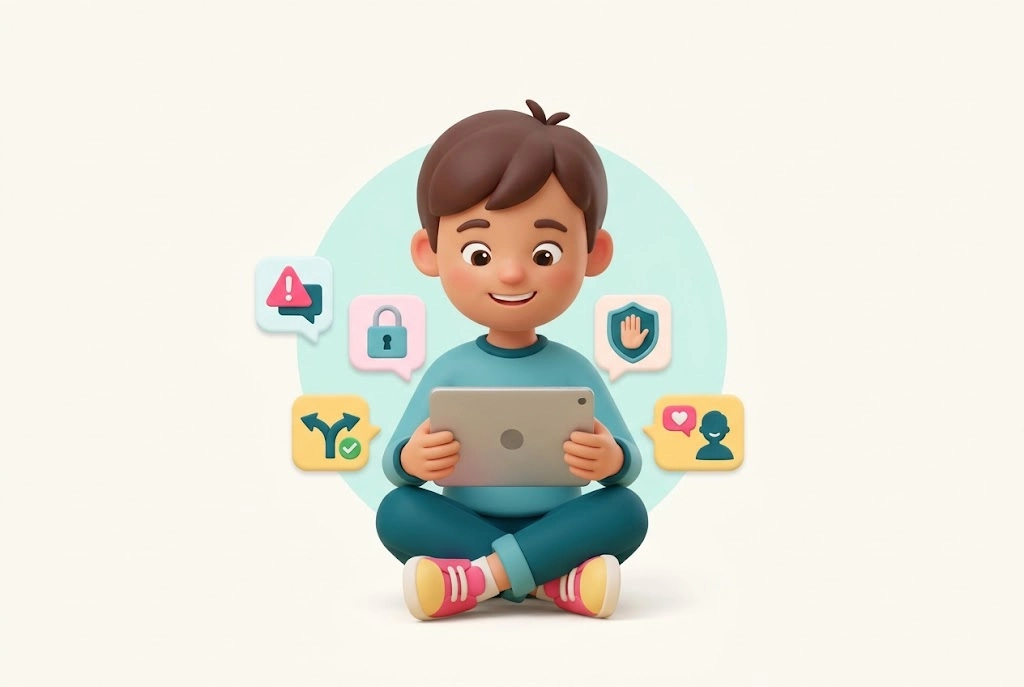
What will your child learn?
We focus on practical online safety skills that children and youth can use in their everyday digital lives.
- Recognizing online risks: Identify suspicious messages, fake profiles, scams, unsafe links, and misleading online interactions.
- Protecting personal information: Understand what information should remain private and how to protect accounts and passwords.
- Making safer decisions: Learn how to respond to unfamiliar contacts, online pressure, and potentially dangerous situations.
- Understanding online boundaries: Recognize inappropriate behaviour, respect personal boundaries, and know when to end an uncomfortable interaction.
- Knowing when to ask for help: Identify trusted adults and develop confidence in seeking help when something online feels wrong.
Learning through familiar online experiences
Children learn best when they can connect new knowledge to situations they already understand.
Our lessons use animated videos, interactive quizzes, and scenarios based on familiar digital environments, including online games, chats, social interactions, and apps children already use.
Instead of memorizing general rules, students practise making decisions in realistic situations, helping them build practical skills they can apply in everyday life.

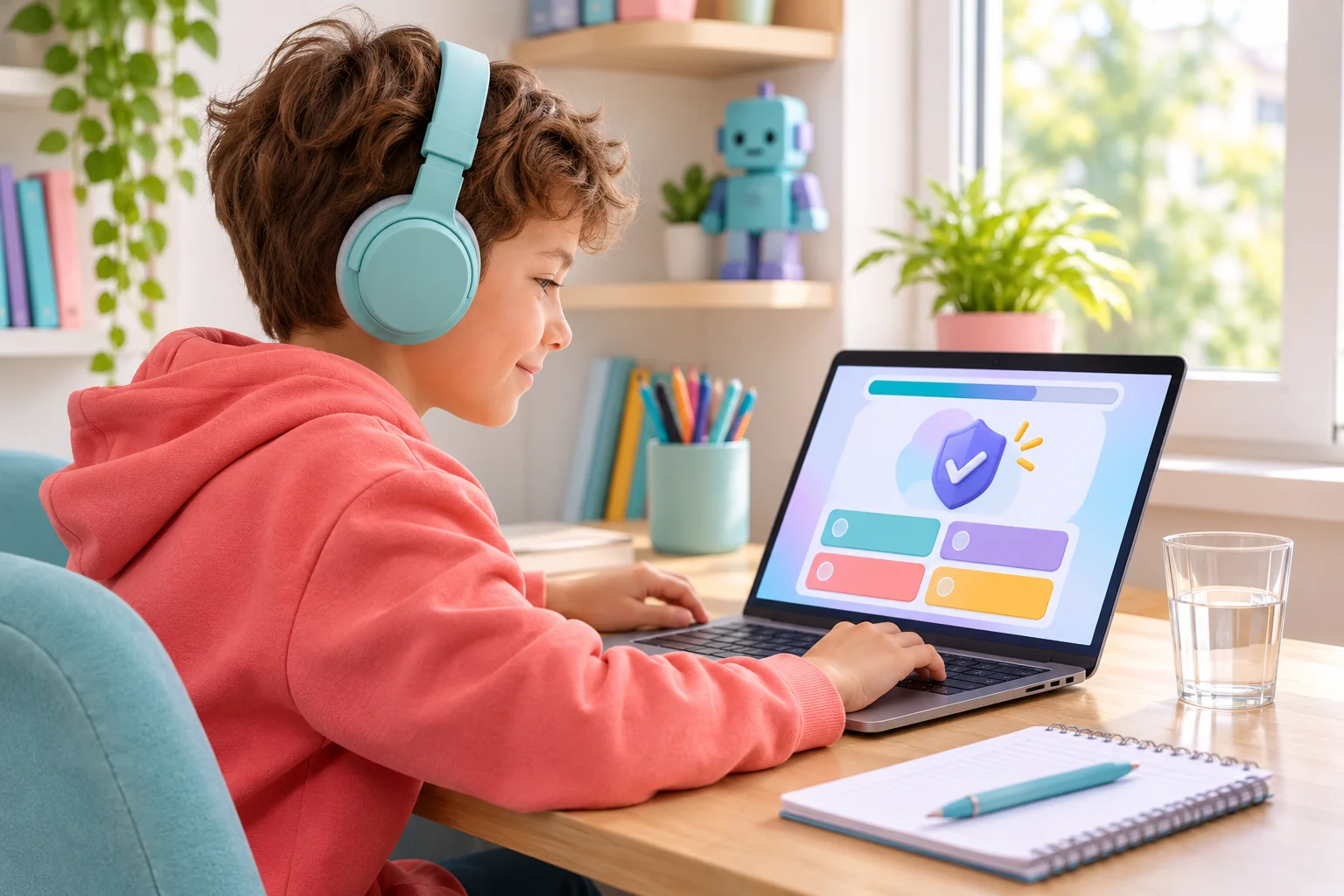
See how prepared your child is to stay safe online
Every child starts with an individual assessment in their personal account. Through short animated video quizzes and realistic scenarios, students demonstrate how they recognize and respond to different online situations.
Our AI-powered, patent-pending algorithms evaluate their responses and calculate an initial Online Safety Readiness Score, identifying strengths and skills that may need further development.
At the end of the program, students complete a final assessment using new scenarios. The platform compares their results with their initial assessment, showing how their skills have improved and calculating their updated Online Safety Readiness Score.
Follow your child's progress through your parent account
Parents and legal guardians receive access to a dedicated account where they can review learning outcomes and progress.
You can see:
Instead of simply knowing that your child has completed an online safety course, you can see which practical skills they have developed and where additional support may be beneficial.
- Your child's initial and final Online Safety Readiness Scores.
- Progress across different online safety skills and assessment criteria.
- Individual strengths and areas that may require additional practice.
- Learning progress throughout the program, including intermediate assessments when included.
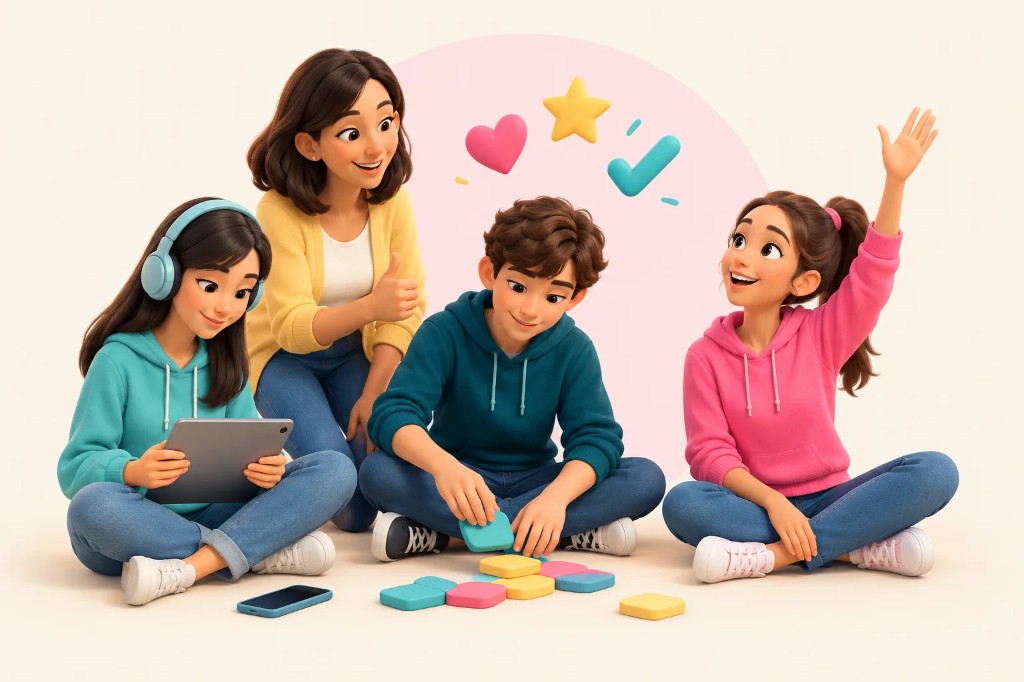
Every child learns differently. Our programs recognize that.
Traditional online safety lessons may not address the individual learning needs of every child. This is particularly important for children and youth with ASD, ADHD, and other learning difficulties, who may benefit from more structured instruction, clear explanations, repetition, and additional practice.
Accessibility and inclusion are built into our approach. Our AI-powered assessments help identify individual learning needs, while personalized training provides opportunities to practise specific skills at an appropriate pace.
Advanced versions of our programs offer more detailed and structured learning for students who need additional guidance and practice to develop essential online safety competencies.
Give your child the skills to stay safe online
The digital world is part of children's everyday lives. Preparing them to recognize risks and make safer decisions is just as important as teaching them how to use technology.
Start with an Online Safety Readiness Program and help your child build skills that will stay with them as they grow.